Blog
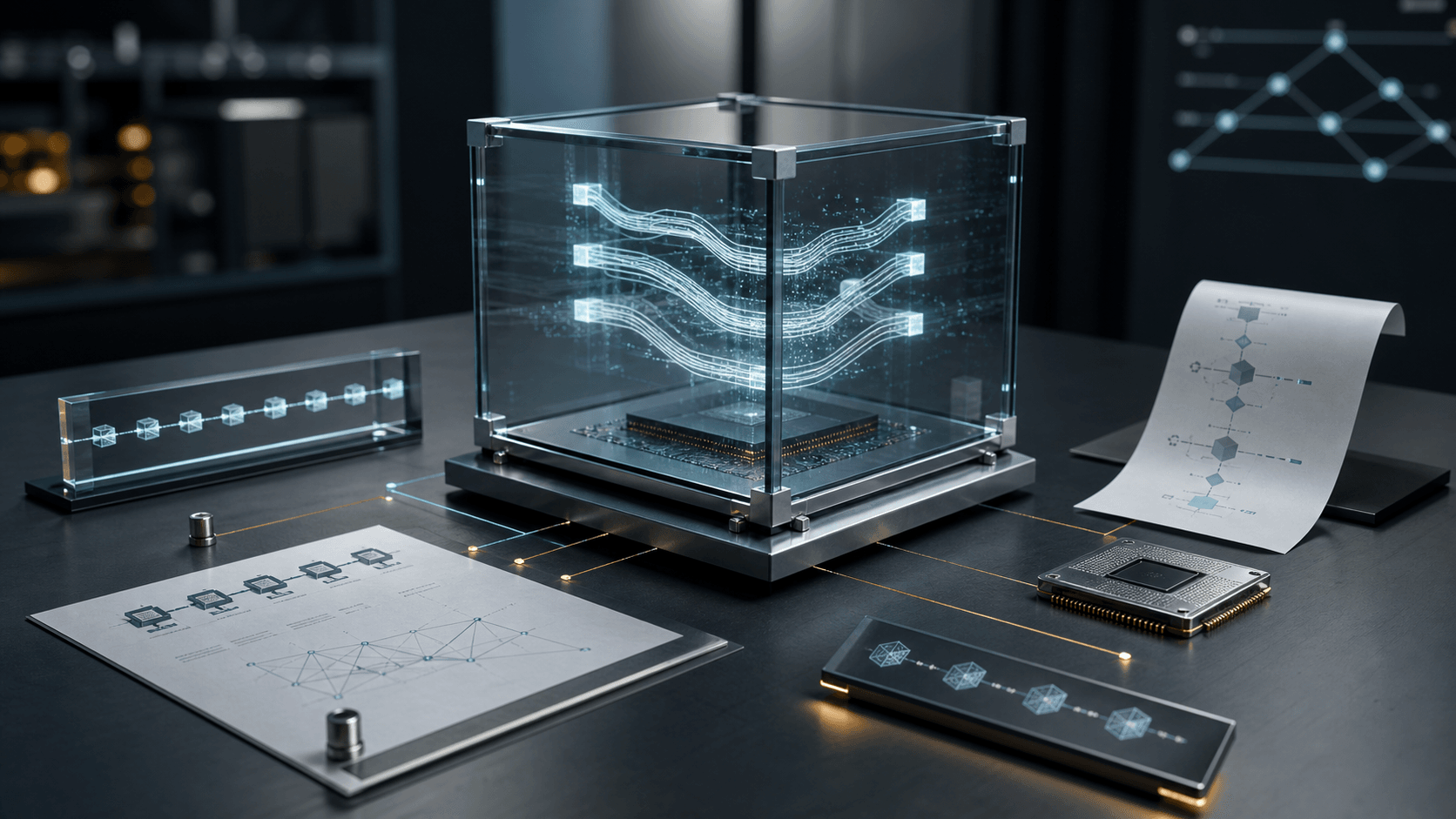
We Built an AI Chat That Even We Can't Read. Here's How to Prove We're Not Lying.
Brianni-AI's privacy claim isn't something you have to believe. It's a falsifiable, hardware-attested architecture — and a standing invitation to catch us lying.
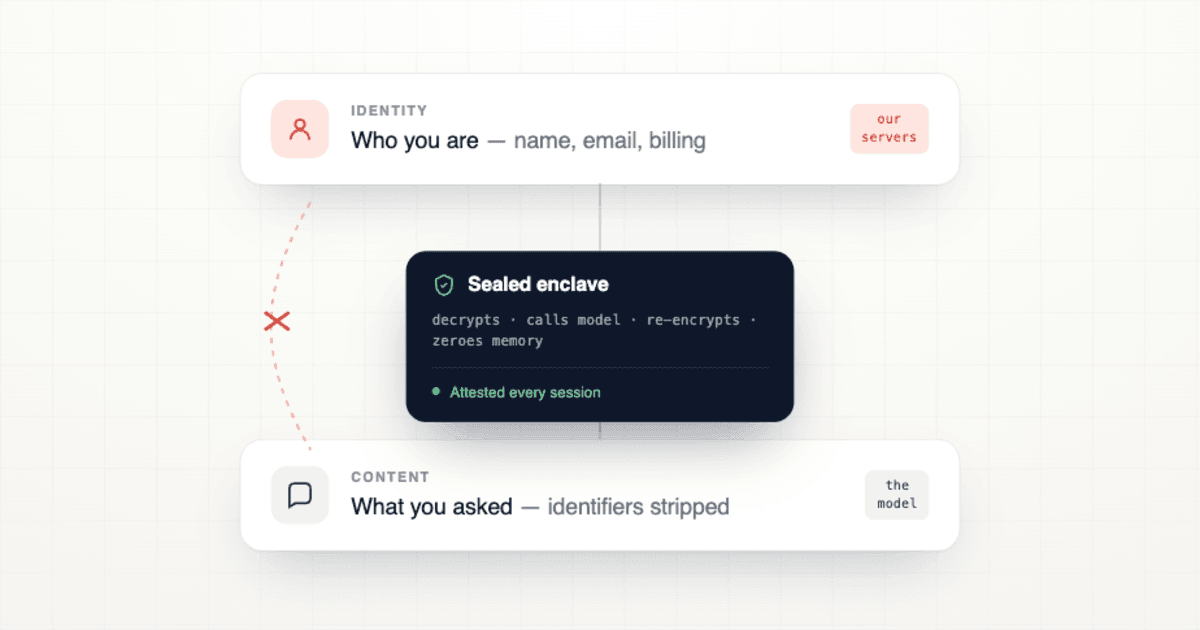
The AI Will Read Your Data. The Only Question That Matters Is Who Else Can.
Meredith Whittaker recently articulated one of the biggest privacy problems facing AI. It's the same problem we spent the last three months building Brianni-AI to solve.
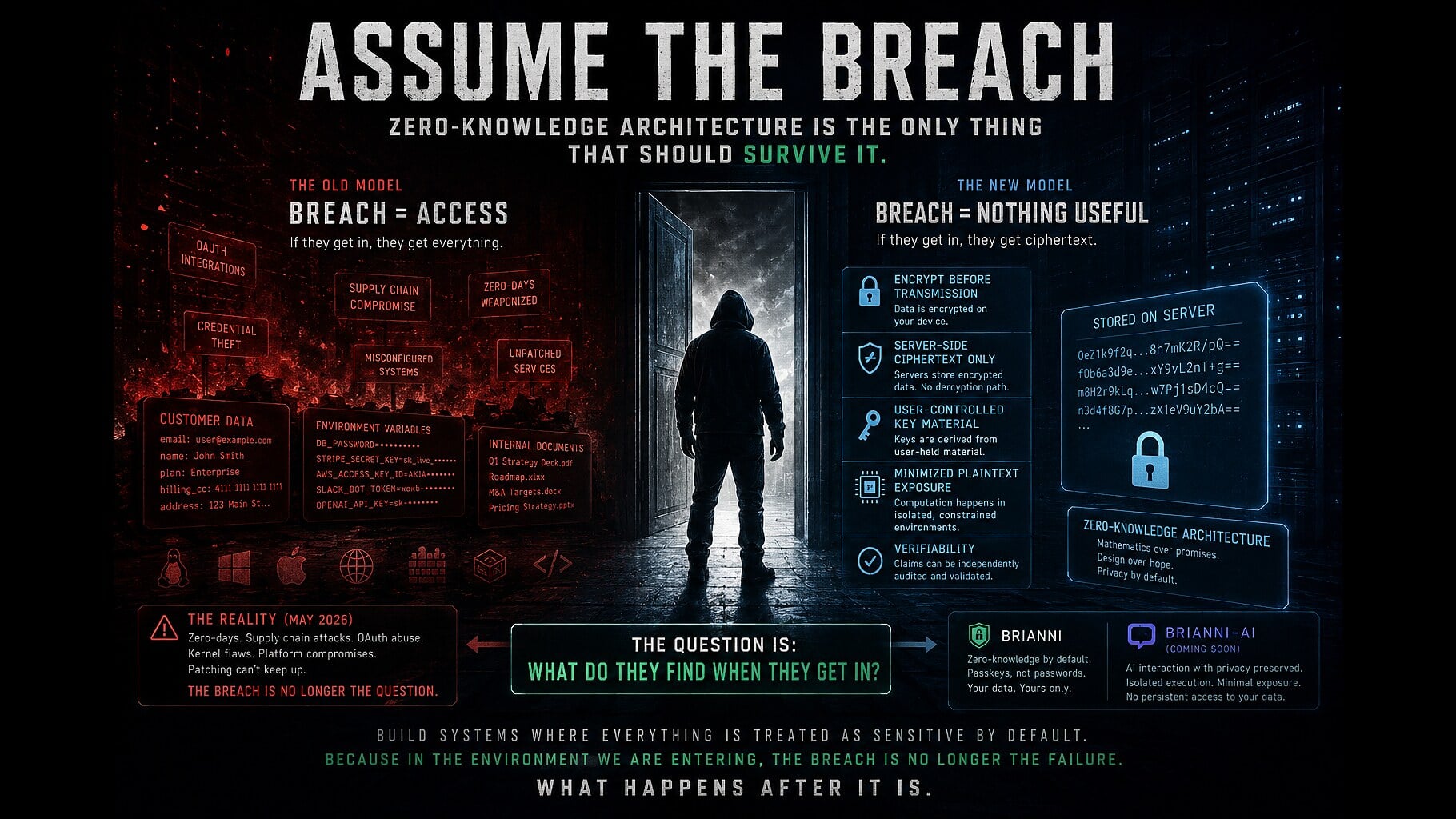
Assume the Breach: Why Zero-Knowledge Architecture Must Become the Default
AI now finds zero-days in hours. Perimeter defence is no longer enough — zero-knowledge architecture is the only design that survives a breach intact.
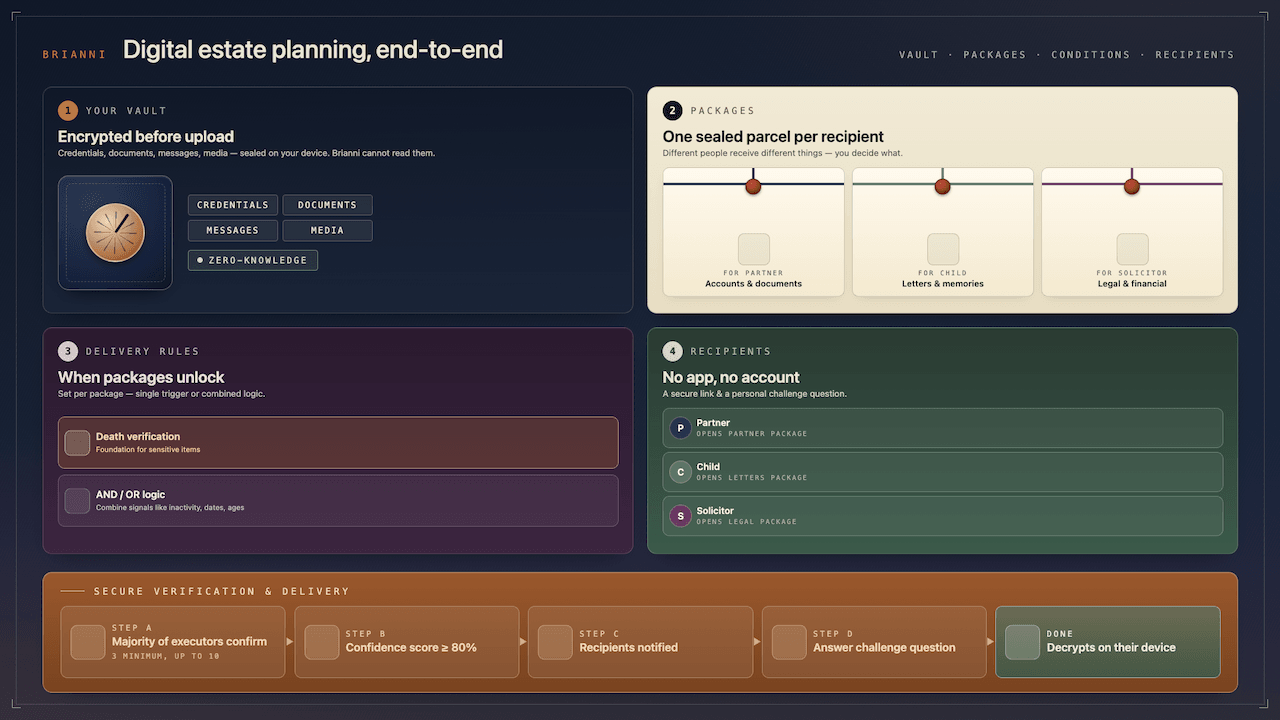
Digital Estate Planning: How to Protect What Matters When You Can't Be There
A practical guide to digital estate planning on Brianni — how to set up encrypted packages, appoint executors, and ensure your important files, credentials, and messages reach the right people.
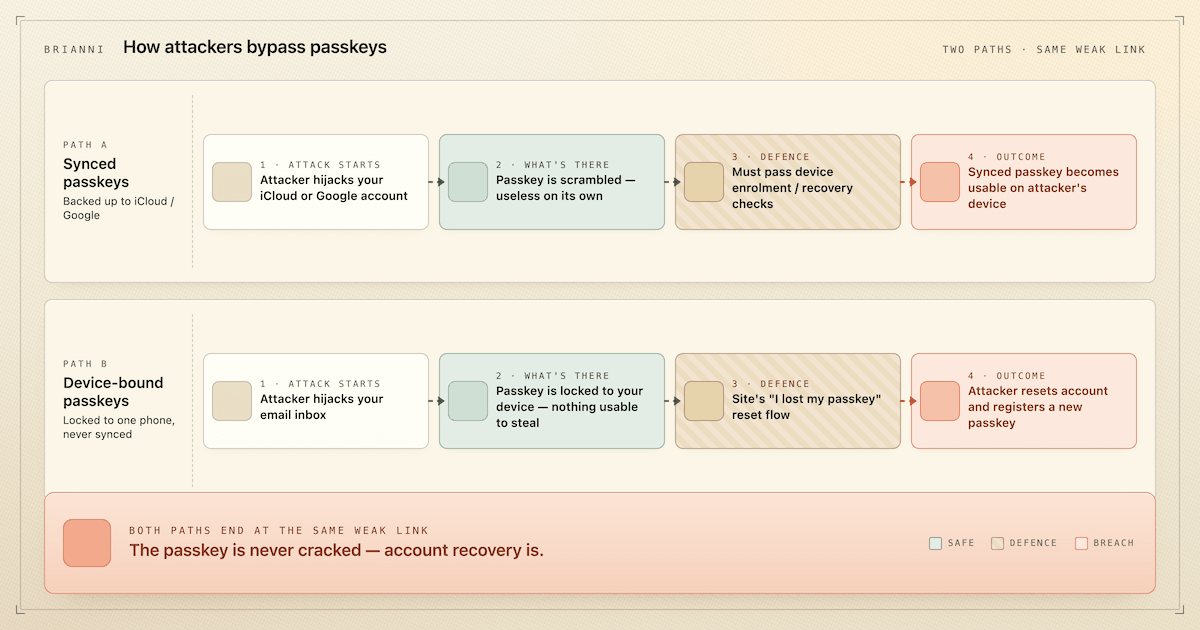
Synced Passkeys Are Not the Security Risk You've Been Told
A response to the argument that syncing passkeys to Google or iCloud defeats their purpose. The real risk isn't sync — it's account recovery.
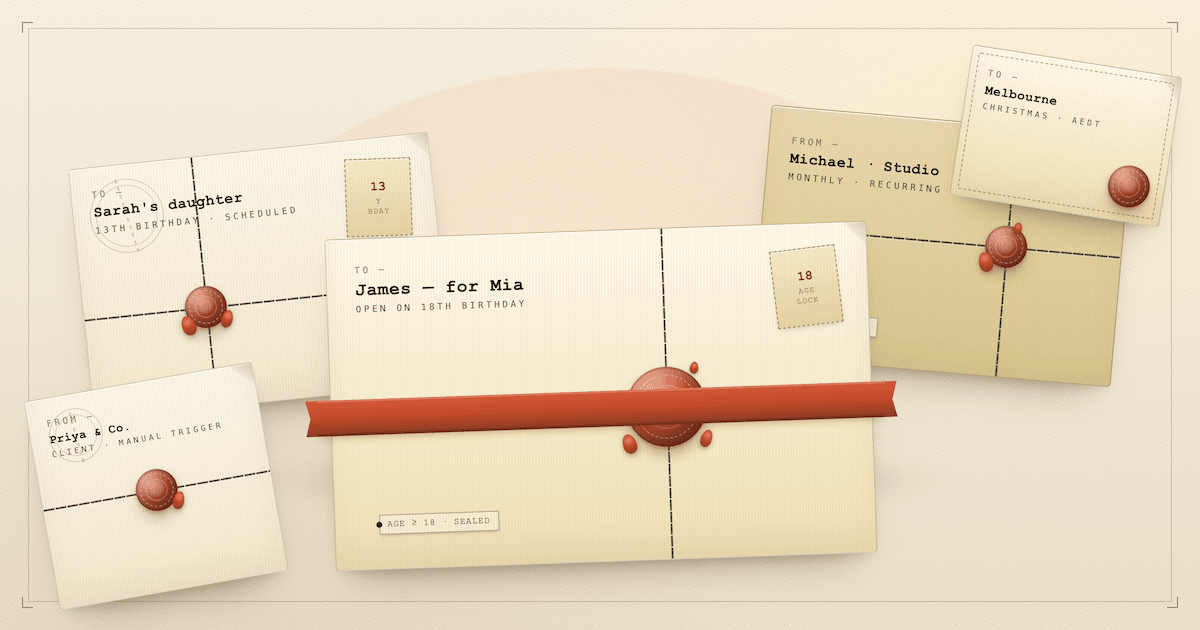
What You Can Do With Brianni: 7 Real Use Cases for Encrypted, Time-Locked Sharing
From birthday surprises to age-based letters, secure client files, and will storage — here's what end-to-end encrypted, conditional delivery actually looks like in practice.
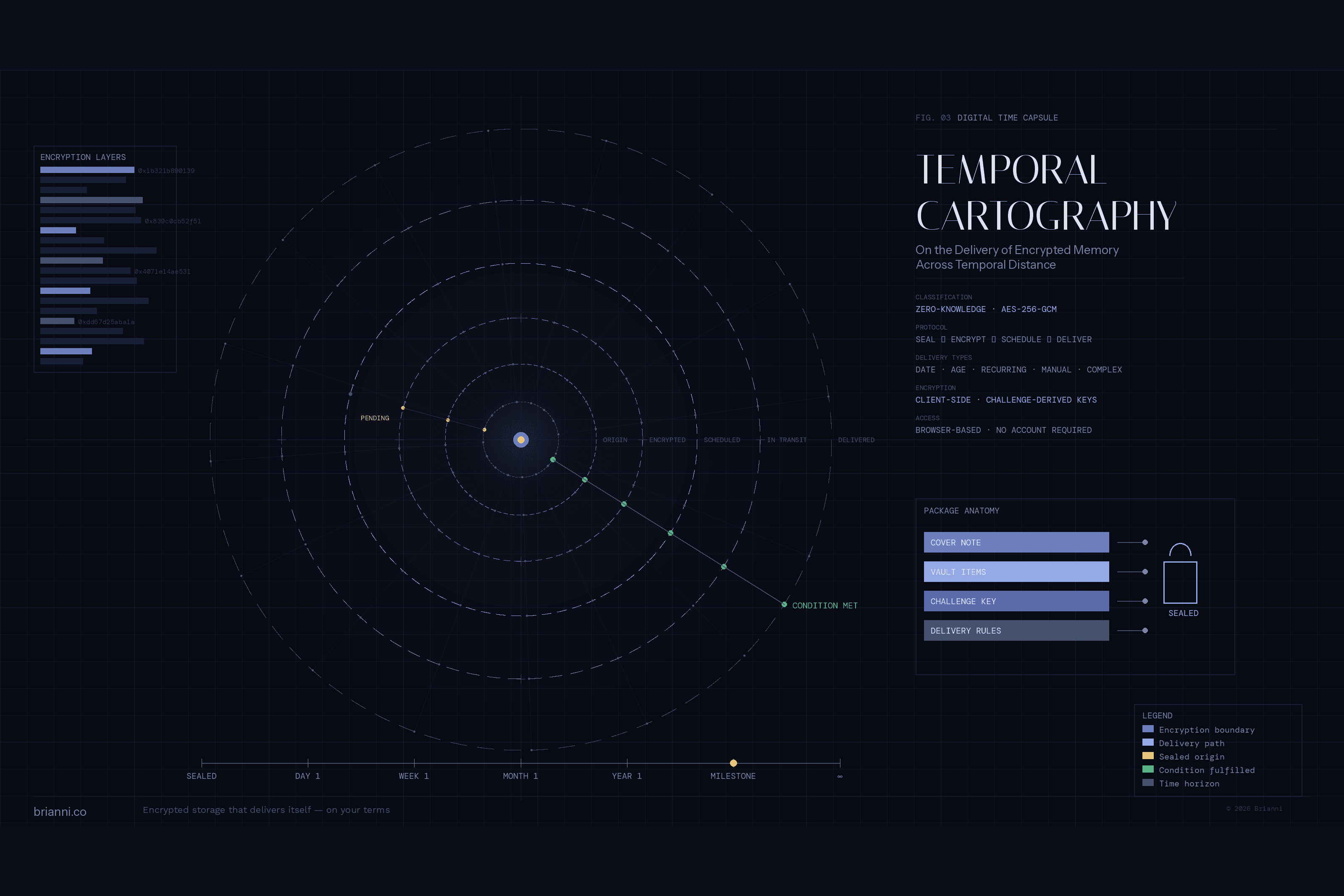
How to Create a Digital Time Capsule (That Actually Stays Private)
A step-by-step guide to creating a digital time capsule on Brianni — encrypted memories that deliver themselves on a date, birthday, or milestone you choose.

Best Encrypted Cloud Storage in 2026: Complete Zero-Knowledge Comparison
Compare the best zero-knowledge encrypted cloud storage providers in 2026 — pricing, features, platforms, and what most providers still don’t offer.
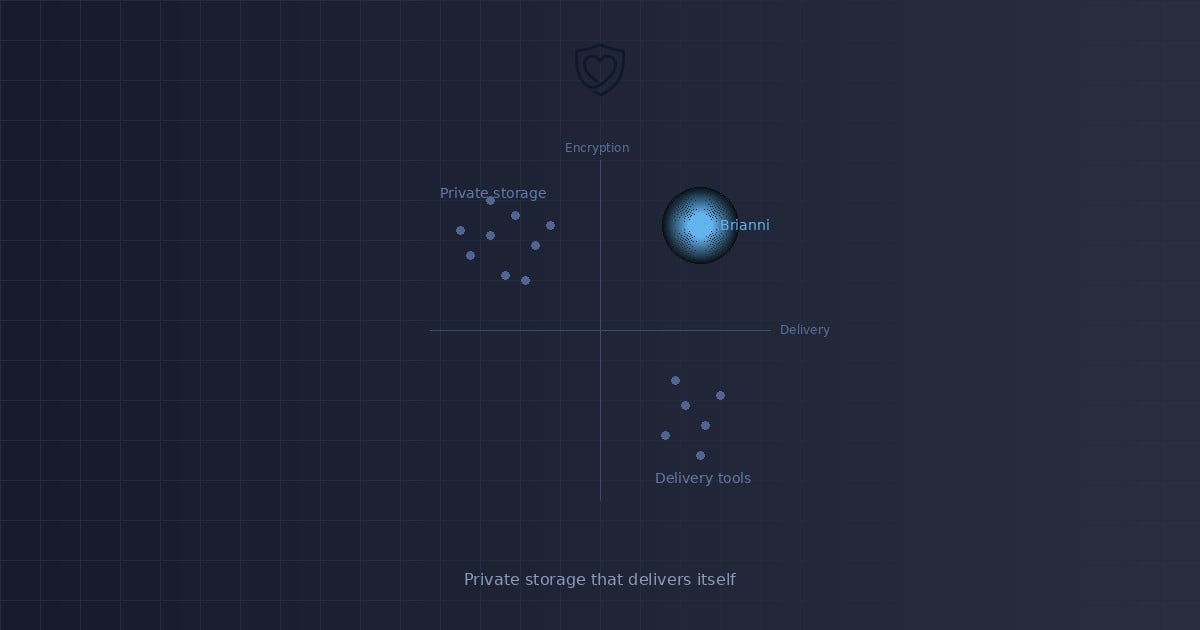
Why I Built Brianni: The Gap Nobody Talked About
I spent 6 months building the first platform that combines zero-knowledge encrypted storage with programmable conditional delivery. Here's the gap I found — and why it existed.